Power Distribution
LT Covered Conductor
insulated Aluminum Overhead Cable for Distribution Networks
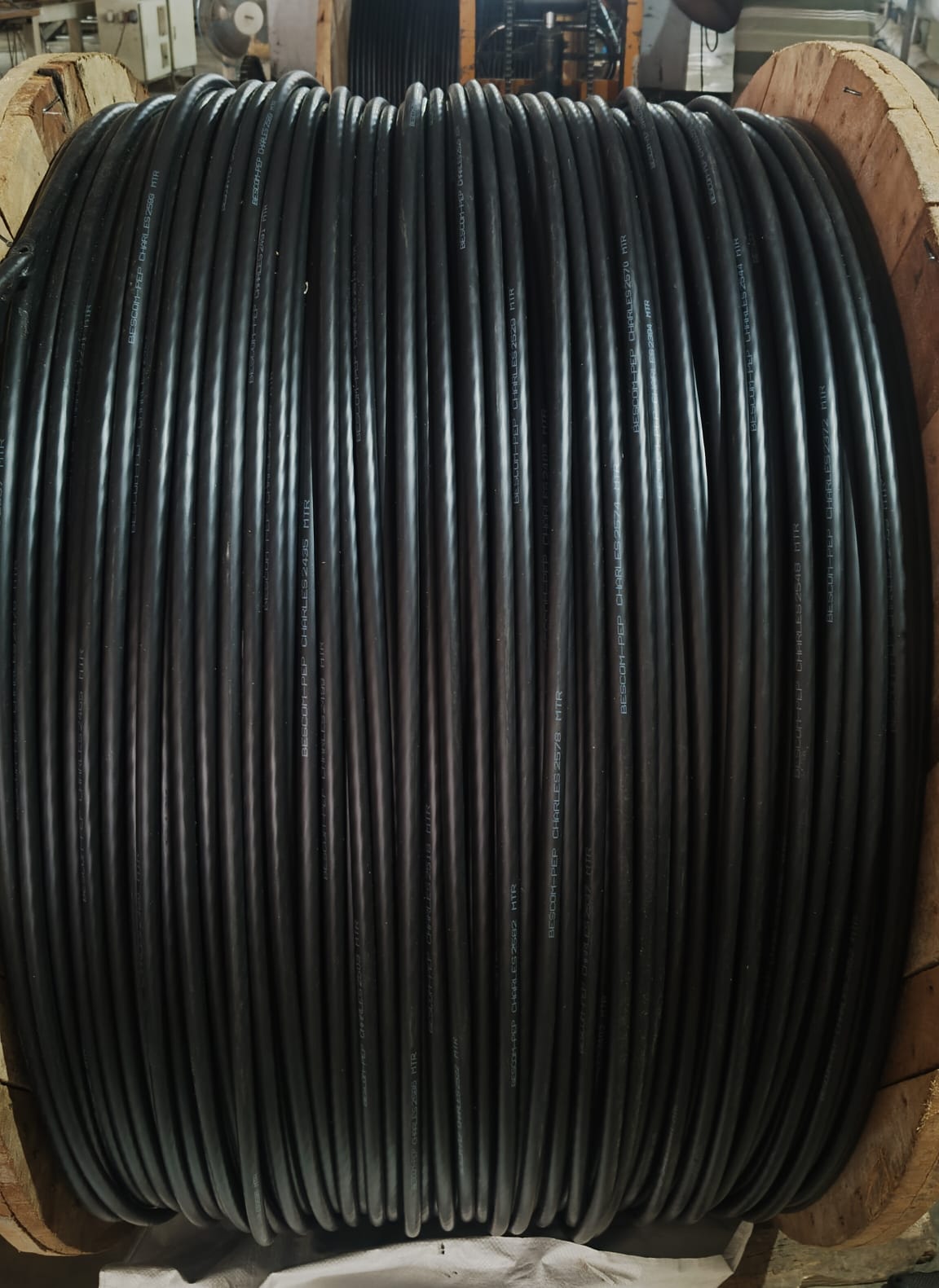
PEP LT Covered Conductor is an insulated aluminum overhead cable designed for low tension distribution networks. The aluminum conductor is protected by a durable, weather-resistant polymeric insulation layer that provides superior performance compared to traditional bare conductors — reducing electrical hazards, preventing phase-to-phase faults, and significantly extending service life in challenging environmental conditions.
⚡ Advantages Over Bare Conductors
- Enhanced Safety: Insulation layer reduces risk of electrocution and electrical hazards
- Prevents Short Circuits: Eliminates phase-to-phase contact from tree branches, wind swing
- Weather Resistant: Polymeric insulation withstands UV, rain, pollution, and corrosion
- Reduced Maintenance: Lower fault rates mean fewer service interruptions and repairs
- Longer Service Life: Insulation protects conductor from environmental degradation
- Theft Deterrent: Less attractive target compared to exposed bare conductor
Quick Specifications
Conductor MaterialAluminum (Stranded)
Insulation MaterialWeather-Resistant Polymer
Voltage RatingLT (Low Tension)
ApplicationOverhead Distribution
Standard ColorBlack
Key Features
Why LT Covered Conductor is the superior choice
Weather-Resistant Insulation
Durable polymeric insulation layer protects the aluminum conductor from UV radiation, rain, pollution, salt spray, and corrosive industrial atmospheres — ensuring reliable performance year after year.
Prevents Electrical Faults
Insulation prevents accidental phase-to-phase contact caused by wind, tree branches, or conductor sag — dramatically reducing the incidence of short circuits and supply interruptions.
Reduced Right-of-Way Requirements
Insulated conductors can be routed closer to vegetation and structures compared to bare conductors, reducing land acquisition costs and simplifying installation in congested areas.
Enhanced Worker Safety
Reduces the risk of accidental contact during installation, maintenance, and live-line working — improving safety for linemen and reducing liability for utilities.
Lower Lifecycle Cost
Higher initial investment is offset by lower maintenance costs, fewer fault repairs, reduced downtime, and extended service life — delivering better total cost of ownership.
Made in India
Manufactured at our ISO 9001:2015 certified facility in Malur, Karnataka. Local production ensures faster delivery, competitive pricing, and readily available technical support.
Applications
Where LT Covered Conductor is deployed
Urban Distribution Networks
Congested urban areas with limited right-of-way, proximity to buildings, and high public safety requirements.
Wooded & Forested Areas
Regions with heavy vegetation where tree contact and wildlife interference are major concerns with bare conductors.
Coastal & High-Pollution Zones
Salt spray environments, industrial areas with corrosive atmospheres, and high-pollution zones requiring conductor protection.
Rural Electrification
Remote and rural areas where maintenance access is difficult and long-term reliability is essential for continuous power supply.
Township & Campus Networks
Industrial townships, educational campuses, and residential developments requiring safe, reliable overhead distribution.
Industrial Facilities
Factory premises, warehouses, and industrial estates with overhead power distribution requirements and safety regulations.
Covered vs Bare Conductor Comparison
See the clear advantages
| Feature | LT Covered Conductor | Bare Conductor |
|---|---|---|
| Electrical Safety | ✓ High — Insulated against accidental contact | ✗ Low — Exposed live conductor |
| Phase-to-Phase Faults | ✓ Prevented by insulation layer | ✗ Common from wind, vegetation, objects |
| Weather Resistance | ✓ Excellent — Polymer protects from UV, rain, pollution | ✗ Poor — Direct exposure causes corrosion |
| Service Life | ✓ Extended — Insulation protects conductor | ✗ Shorter — Environmental degradation |
| Maintenance Frequency | ✓ Low — Fewer faults and failures | ✗ High — Frequent repairs needed |
| Right-of-Way Requirements | ✓ Reduced — Can route closer to vegetation/structures | ✗ Greater — Needs clearance from all objects |
| Theft Risk | ✓ Lower — Less attractive to thieves | ✗ Higher — Easy target for metal theft |
| Initial Cost | Higher | Lower |
| Lifecycle Cost | ✓ Lower — Reduced maintenance & downtime | ✗ Higher — Frequent faults & repairs |

